
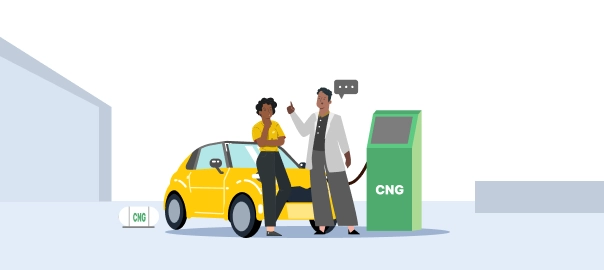
New Delhi, May 22 -- India's focus on sustainable and cleaner energy sources has led to a significant shift among vehicle owners towards CNG and LPG vehicles. These alternative fuel vehicles are not only cost-effective in the long run but also environmentally friendly. As a vehicle owner, understanding these benefits can empower you to make informed decisions about your car and its car insurance.
This blog talks about LPG-CNG converted vehicles and key factors to consider when insuring them and more.
Understanding the LPG and CNG Vehicles
The LPG and CNG vehicles function on propane and gas, respectively. However, these vehicles also provide many unique benefits over traditional diesel and petrol vehicles. Here are some of the benefits:
Engine longevity: LPG and CNG are known for being cleaner-burning fuels, which can extend the engine's life and also lower vehicle maintenance costs. Cost savings: These fuels are less expensive than diesel and petrol, resulting in significant savings on fuel expenses. Environmental advantages: Choosing these vehicles will result in reduced emissions. In return, it will help enhance air quality and lower the environmental impact.
Types of Insurance Available for the CNG and LPG Vehicles
When you plan on insuring your LPG or CNG vehicle, there are certain coverages from which you can choose:
1. Third-party liability insurance
This insurance is compulsory as per the Motor Vehicle Act, 1988. It covers injuries or damage induced to third parties during an accident involving your vehicle. However, it doesn't cover damage to your car.
2. Comprehensive insurance
The comprehensive car insurance covers third-party liabilities as well as damages to your vehicle that may have occurred during an accident, natural disaster, fire, or theft. When opting for this policy, ensure it includes coverage for the CNG or LPG kit and its related components.
3. Own damage insurance
This insurance covers damages to your vehicle during an accident, natural disaster or fire, as well as theft. You can also opt for add-ons, such as depreciation cover and engine protection, for broader protection.
CNG/LPG Vehicle: Factory-Fitted vs Retrofit
A factory-fitted LPG or CNG vehicle has the fuel type mentioned already in the Registration Certificate (RC). A retrofit (aftermarket) kit, on the other hand, requires approval from the Regional Transport Office (RTO) before the insurance company can cover it. This approval process involves submitting the necessary documents, such as the kit's ARAI approval certificate, and paying the required fees. Once approved, the RTO will update your RC to reflect the new fuel type.
Insurers treat the retrofit kits as modifications and will ask you to provide the kit invoice along with the fitment certificate. At times, they might also conduct a physical inspection.
Changes that Occur After Fitting an LPG/CNG Kit
Once you have fitted an LPG or CNG kit, it's crucial to inform the RTO promptly to update the registration to reflect the new fuel type. Similarly, notifying the insurance firm is equally important for updating the policy. This proactive approach can prevent claim rejection or underpayment.
Insurers may add a small additional premium for the kit and may also include a flat liability charge, as mandated by the regulator. The insurance company requires this because the cylinders are pressurised and require specialised coverage. The coverage can vary between insurers. Always check the policy's wordings to see what is covered and what is not.
Conclusion
When planning to convert your vehicle to LPG or CNG, opt for an Automotive Research Association of India (ARAI)- approved kit and a certified installer. Ensure that your RC is updated and inform the insurance company so that they can endorse your car insurance and add the kit's value to the Insured Declared Value (IDV).
NOTE: No VCCircle Journalist was involved in the creation/production of this content
Published by HT Digital Content Services with permission from VC Circle.