
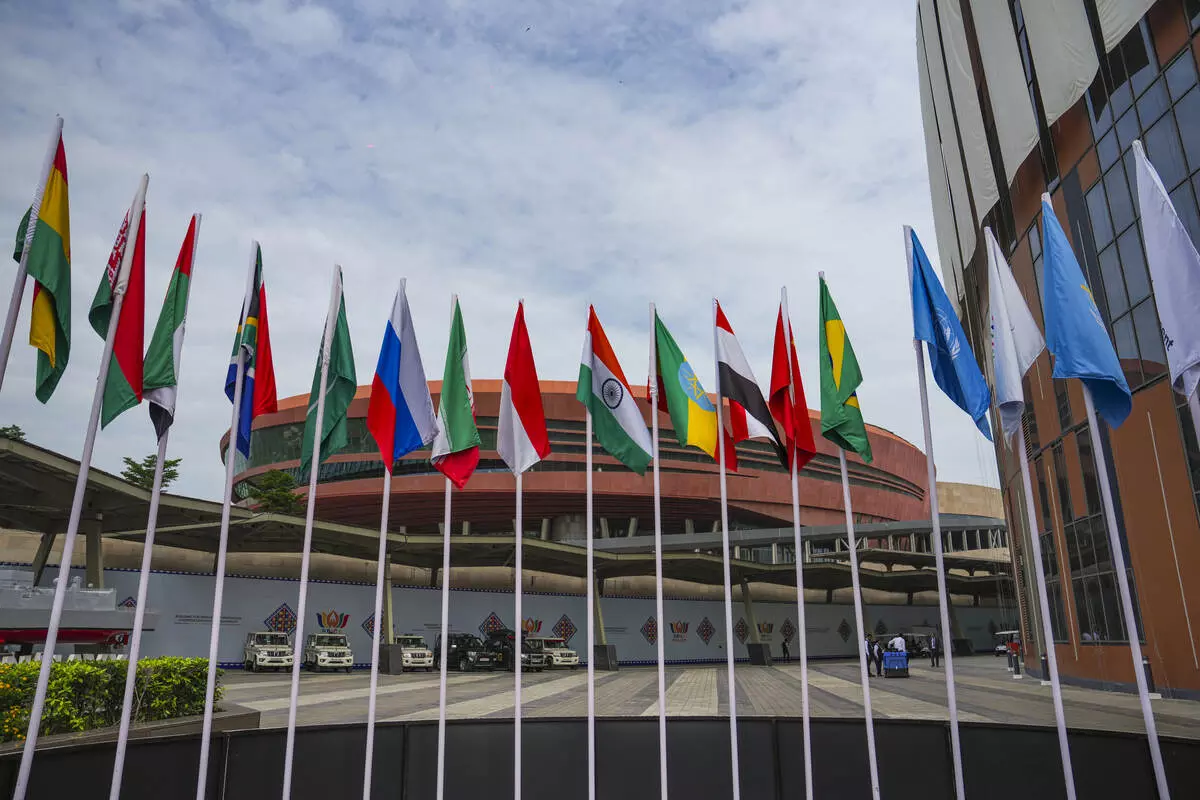
New Delhi, Sept. 12 -- India has called on BRICS countries to deepen economic cooperation by encouraging trade in local currencies, linking payment systems and making cross-border transactions easier and more efficient.
Commerce and Industry Minister Piyush Goyal made the proposal at the BRICS Business Forum in New Delhi, urging member countries and partner nations to work towards a more predictable business environment and stronger economic integration.
Goyal stressed the need to connect payment systems across BRICS economies and promote greater use of national currencies for trade. Such arrangements could make transactions faster and reduce dependence on traditional international payment mechanisms.
He also highlighted India's Unified Payments Interface (UPI) as an example of how digital payment infrastructure can facilitate faster and more accessible transactions. India has been advocating greater interoperability between payment systems as part of efforts to strengthen cross-border commerce.
The minister also called for reducing regulatory barriers, improving market access and making it easier for professionals to move between BRICS countries. He emphasised the need to strengthen supply chains and cooperation in sectors including agriculture, pharmaceuticals and engineering.
The push for local-currency trade comes as BRICS members seek to improve their financial resilience amid geopolitical tensions, trade disruptions and volatility in the global economy. Finance ministers and central bank governors from the grouping have also backed efforts to develop faster, cheaper and more secure cross-border payment mechanisms.
The initiative does not necessarily mean the creation of a common BRICS currency. Instead, the focus is on enabling countries to conduct more bilateral trade and investment using their respective national currencies while improving the infrastructure needed to settle such transactions.
India's proposal is part of its broader push to strengthen intra-BRICS trade and build more resilient supply chains while maintaining greater flexibility in international economic transactions.
Published by HT Digital Content Services with permission from Millennium Post.