
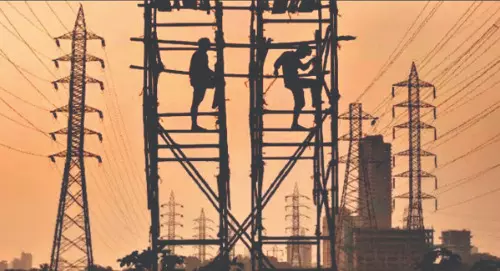
New Delhi, March 12 -- Delhi's peak power demand is expected to cross the 9,000 MW mark this summer, marking another sharp rise in electricity consumption in the national capital. According to estimates by the State Load Dispatch Centre (SLDC), the city's peak demand had reached 8,442 MW last year and is projected to exceed 9,000 MW in 2026.
Power distribution companies of the BSES have said they are fully prepared to meet the increased demand and ensure uninterrupted electricity supply to more than 53 lakh consumers and nearly 2.25 crore residents across South, West, East and Central Delhi.
Officials said that about 2,670 MW of green power from multiple renewable sources will support electricity supply during the summer months. "Around 2,670 MW of green power will play a key role in ensuring reliable electricity supply during the summer months in BSES areas," a BSES official said.
Solar energy is expected to contribute around 840 MW, hydro power about 572 MW and wind power nearly 500 MW. In addition, pumped storage plants will supply around 312 MW, while rooftop solar installations across various parts of Delhi will contribute nearly 250 MW. Hybrid renewable sources will add about 137 MW and waste-to-energy plants around 41 MW. The 20 MW Battery Energy Storage System at Kilokri will also support grid stability during peak demand periods.
Officials said the power distribution companies have strengthened their network through extensive predictive and preventive checks ahead of the summer season. "Extensive predictive and preventive checks, including thermo-scanning, are being conducted to identify potential hot-spots in the network," the official said.
The discoms have also made power banking arrangements with utilities in other states to meet peak demand. Agreements have been finalised with electricity utilities in Kerala, Chhattisgarh, Manipur and Mumbai, which could provide up to around 470 MW support during high-demand periods.
To manage fluctuations in renewable energy and ensure grid stability, BSES has started using the real-time market on power exchanges. "We are actively utilising the Real Time Market on the power exchanges to balance renewable supply and maintain grid stability," the official said.
Officials added that with the current growth trend, Delhi's peak power demand could cross the 10,000 MW mark by 2028-29, depending on weather conditions and rising electricity consumption.
Published by HT Digital Content Services with permission from Millennium Post.