
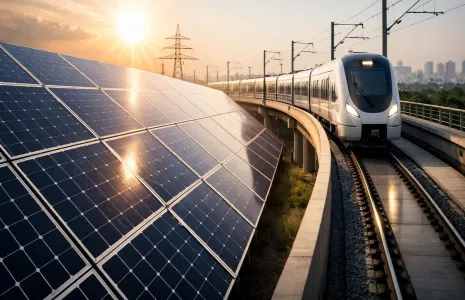
Mumbai, Sept. 2 -- NCRTC has signed a power purchase agreement for a 110 megawatt (MW) solar plant in Jaulan, Uttar Pradesh, to supply electricity to the Delhi-Meerut Namo Bharat corridor. The plant is expected to meet nearly 60 per cent of the corridor's electricity requirement. The project will be developed by NIRL NCRTC Renewables Ltd, a joint venture between NCRTC and NIRL, a wholly owned subsidiary of Neyveli Lignite Corporation.
The solar plant is estimated to cost around Rs 4.5 billion (bn) and is slated for commissioning within the next 24 months. NCRTC will procure electricity from the plant at a fixed tariff for 25 years, with power supplied through the Uttar Pradesh state grid to substations in Uttar Pradesh and Delhi across the corridor. The arrangement is intended to provide greater predictability in energy costs and to reduce dependence on conventionally generated power.
Electricity currently accounts for around 30-35 per cent of the corridor's operational cost and the captive solar project is expected to reduce annual electricity expenditure by about 25 per cent. The scheme is also projected to lower carbon dioxide emissions by about 0.177 million (mn) tonne (t) annually and to reduce emissions of nitrogen oxides and sulphur dioxide. The project is being positioned as a renewable energy initiative for regional rapid transit and metro systems.
Ridership on the Delhi-Meerut corridor has risen since full commissioning in February, with around 0.1 mn passengers using the corridor daily and cumulative ridership exceeding 40 mn passenger journeys. The corridor recorded its highest daily ridership of more than 0.168 mn passengers on 28 August, coinciding with Raksha Bandhan. NCRTC indicated the project could provide a model for integrating captive renewable power into urban and regional transport networks.
The signing took place in New Delhi and was attended by NCRTC and NIRL executives including the managing director and directors for finance and electricals and rolling stock. The corporation said the move will enhance energy security for the corridor and deliver more predictable operating costs over the long term.
Published by HT Digital Content Services with permission from Construction World.