
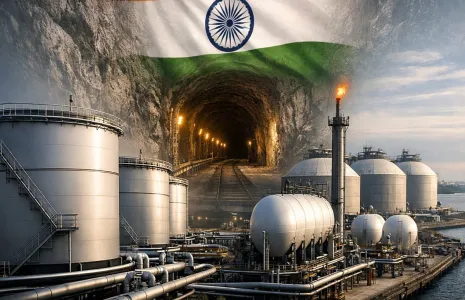
Mumbai, July 6 -- India plans strategic reserves of crude oil, liquefied petroleum gas and liquefied natural gas to meet up to one month of domestic demand and bolster energy security. The oil ministry has set up a committee to study locations, operating models and the split between overground and underground storage according to people briefed on the discussions. The group is examining underground caverns and surface tanks while coordinating with state refiners and terminal operators.
The nation was hit by disruptions in the Persian Gulf and near closure of the Strait of Hormuz and seeks to reduce reliance on Middle Eastern imports. New Delhi currently holds strategic crude reserves of about 39 million (mn) barrels, enough to cover around eight days of imports, while inventories held by refiners and fuel retailers can together meet more than 70 days of demand. Strategic capacity is being expanded with caverns on the east and west coasts and is expected to reach at least 120 million (mn) barrels in about five years.
Reserves of LPG and LNG are minimal because LPG must be stored under pressure and LNG requires super-cooled temperatures and stringent safety protocols. Long term LPG storage is around 140,000 tonne (t), primarily in underground rock caverns on the east and west coasts, and meets roughly two days of national consumption. The oil ministry has asked state run refiners to boost emergency LPG stockpiles and LNG importers are adding tanks while a draft policy would require terminal operators to hold 10 per cent more than normal operational needs.
During the Iran crisis India rationed diesel, LPG and gas and sought assistance from other Asian buyers that maintain LNG and LPG reserves. The effort follows moves by neighbours and partners in the region to bolster strategic storage and is described as an ambitious attempt to shield the country from future shocks. Japan and India are reported to be considering cooperation on LNG stockpiles and ministers could seek an agreement during bilateral talks.
Published by HT Digital Content Services with permission from Construction World.