
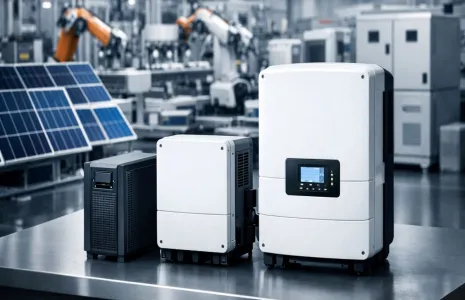
Mumbai, Sept. 3 -- Fujiyama Power Systems has commissioned a two gigawatt (GW) power electronics manufacturing facility at Ratlam in Madhya Pradesh, raising its installed power electronics capacity to four point two GW. The unit will manufacture solar inverters, uninterruptible power supply systems and other power electronics products as part of the company's integrated manufacturing footprint. The commissioning brings module and inverter production closer together at a single complex.
The Ratlam complex already hosts a two GW solar module line that began operations in May and was designed with planned capacity of two GW each for modules, batteries and inverters, according to regulatory disclosures. The combined layout is aimed at improving supply-chain integration for rooftop and distributed solar applications. The company has not disclosed expected utilisation rates or production volumes for the newly commissioned power electronics line.
Fujiyama is progressing a battery manufacturing facility at Ratlam and the board has approved a one point two GW solar cell plant with an estimated investment of Rs 3.5 billion (bn). Commercial operations for the cell project are expected to begin in the first quarter of FY2028, while the firm already operates a one GW cell facility at Dadri in Uttar Pradesh. The proposed Ratlam cell plant is intended to support domestic cell requirements as government-backed programmes increasingly emphasise domestic content.
Company leadership said the commissioning will help improve operational efficiency and supply-chain integration as rooftop solar demand grows and that the Ratlam complex will support a longer-term integrated manufacturing strategy. Fujiyama's portfolio includes solar modules, inverters, lithium-ion and tubular batteries and other power electronics, supported by a distribution and service network of more than 10,100 channel partners across India. The immediate focus at Ratlam will be ramping up the new module and power electronics lines while progressing the battery project and developing the planned cell plant.
Published by HT Digital Content Services with permission from Construction World.