
Mumbai, Oct. 27 -- AI data centres could reduce electricity connection waiting times from 5-10 years or more to 2-4 years by accepting flexible grid connections and deploying on-site generation and storage, according to a report by Boston Consulting Group (BCG). The analysis covers the UK, Germany, France, Belgium and the Netherlands over the 2030-2035 investment period.
Power availability has become a major constraint on data centre expansion, with connection queues in several markets extending for years. Global data centre power demand is projected to reach about 210 GW by 2030, compared with 84 GW in 2025, according to BCG's estimates.
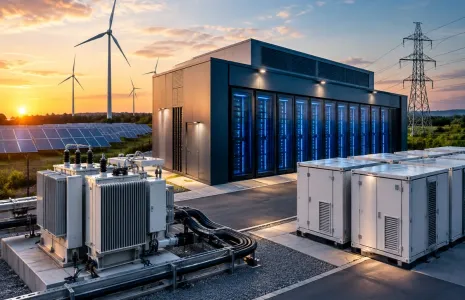
Under the proposed model, data centres would accept non-firm electricity connections, allowing supply to be reduced during periods of grid congestion rather than waiting for guaranteed access. Operators could use on-site generation, batteries and flexible computing workloads to maintain operations during such periods.
BCG said earlier connections could generate substantial financial benefits. For a modelled 150 MW AI inference data centre in Northwest Europe, connecting three years earlier could produce an estimated USD 1.28 bn in additional profits before the costs of on-site power assets are included.
The approach involves higher operating costs and other trade-offs. BCG estimated that an off-grid setup could increase annual power supply costs by 70 to 230 per cent compared with a firm grid connection, depending on the treatment of power asset costs. The report said such arrangements could be useful where flexible connections are unavailable or require significant additional investment.
The report also said grid-positive data centres could distribute fixed electricity network costs across a larger consumption base and reduce the need for new generation and grid infrastructure. It recommended national data centre strategies, locations with available grid capacity, faster approvals for on-site power assets and standardised flexible connection options. BCG said faster access would require changes to how centres are located, connected and operated, supported by clear rules for on-site generation.
Published by HT Digital Content Services with permission from Construction World.