
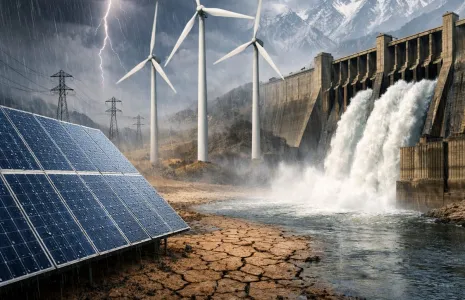
Mumbai, July 3 -- A recent report places Rajasthan, Gujarat and Arunachal Pradesh at the centre of India's renewable risk map, identifying state level exposure that could affect generation assets and transmission infrastructure. The analysis assessed the vulnerability of solar, wind and hydropower installations to climate hazards and considered effects on grid stability and energy security. The findings indicate that concentrated exposure is emerging as a material risk for renewables development and operations.
In Rajasthan the report identified extreme heat and prolonged dry spells as principal threats to solar yield and thermal management of equipment, while Gujarat's coastal exposure was linked to heightened risk from cyclonic activity and storm surge impacting wind farms and coastal transmission corridors. Arunachal Pradesh was highlighted for its sensitivity to monsoon variability and altered river flows, which could undermine hydropower generation and reservoir management. The report also noted that overlapping hazards can amplify risk at substate level.
The analysis suggested that investors and utilities need to incorporate state specific climate scenarios into planning and asset valuation to avoid stranded assets and ensure reliable supply. It recommended that developers adopt diversified portfolios, design standards for resilience, and enhanced operation and maintenance practices to mitigate performance deterioration. Grid operators were urged to prioritise transmission reinforcement and flexible balancing resources to manage variability and extreme events.
Policy responses called for strengthened state level planning, risk disclosure requirements and dedicated finance mechanisms to support retrofits and adaptive projects. The report emphasised the importance of data driven monitoring and cross jurisdictional coordination to align renewable targets with climate resilience objectives. Stakeholders were advised to accelerate integration of resilience measures to safeguard the transition to low carbon energy.
Published by HT Digital Content Services with permission from Construction World.