
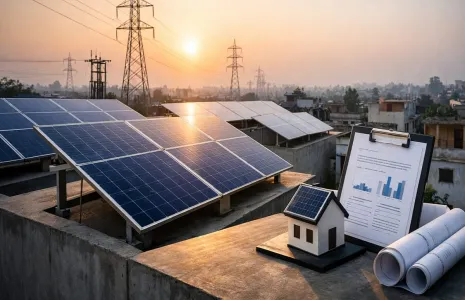
Mumbai, July 3 -- The Bihar Electricity Regulatory Commission (BERC) has approved tariffs for a 275 megawatt (MW) rooftop solar programme covering around 250,000 Kutir Jyoti consumers under the PM Surya Ghar scheme. The initiative will be implemented through a utility-led aggregation model managed by the Bihar State Power Holding Company Limited and contracts have been awarded to multiple developers. The state government aims to complete installations by 30 November.
The utility-led approach shifts procurement responsibility to distribution companies and simplifies access for households. Systems will be supplied with no upfront payment and developers will recover investment over a 10-year period under a RESCO arrangement. The tariff is intended to reduce the subsidy burden while expanding clean power access for low-income homes.
Deployment will cover about 0.25 million (0.25 mn) rooftops across cities, towns and villages and each installation will present distinct technical and maintenance needs. Developers must deliver thousands of systems within tight timelines, manage dispersed operations and handle consumer complaints. Operational risks such as payment delays and elevated maintenance costs could undermine project viability.
An implementation framework should define responsibilities of distribution companies, developers and consumers throughout the project lifecycle. Standard timelines for installation, inspection, maintenance and grievance redressal will reduce disputes and provide greater certainty to stakeholders. A transparent payment mechanism is essential to ensure timely compensation for developers.
Robust last-mile support is needed, including a network of trained local technicians, electricians, self-help group members and entrepreneurs to undertake routine inspections and coordinate repairs with developers. Consumers require simple guidance on system operation, generation monitoring and fault reporting while distribution staff and local contractors need capacity building. The programme is expected to generate around 325 mn units of electricity annually and help the state meet renewable targets and reduce subsidy expenditure. A director at Dabun Private Ltd indicated that Bihar could set a national benchmark if execution, after-sales service and collaboration among government, DISCOMs and developers are effective.
Published by HT Digital Content Services with permission from Construction World.