
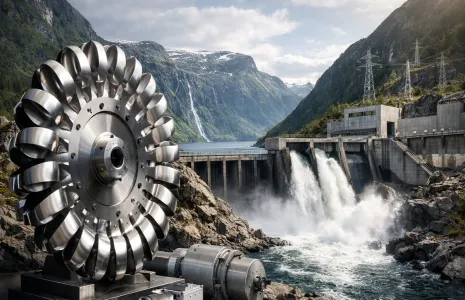
Mumbai, July 3 -- Aker Solutions has secured a contract from Tussa Energi to supply all electromechanical equipment for the Tussa II hydropower plant in western Norway. The contract is valued at between NOK 500 million (mn) and NOK 1.5 billion (bn) and will expand the facility's installed capacity from 64 megawatt (MW) to 150 MW with the addition of two 75 MW Pelton turbine units. The expansion is part of ongoing efforts to increase renewable generation in the region. The award follows technical and commercial evaluations carried out by the project partners.
Aker Solutions' scope includes turbines, generators, inlet pipes, control systems, high-voltage equipment, transformers and auxiliary systems, covering the full electromechanical package. Delivery of equipment and project completion are planned for 2030 as construction progresses on site. The project is being delivered through a collaboration that involves Tussa Energi, Norconsult and Aurstad Tunnel and is expected to coordinate civil and electrical works. The integrated approach aims to streamline installation and commissioning.
In April 2026 Hydro Energi AS and Statkraft signed long-term power purchase agreements for zero point nine terawatt-hour (TWh) of annual electricity from 2029-30 and one point three TWh annually from 2031-38. The agreements secure 12.3 TWh over ten years for Hydro Energi's aluminium plants, with eight point eight TWh designated for the NO2 price area and three point five TWh for NO3. The renewable supply is intended to support Hydro Energi's low-carbon aluminium production and to underpin long-term energy planning for industrial customers.
The contract reinforces Aker Solutions' position in the electromechanical supply chain for hydropower and reflects continued investment in renewable infrastructure in Norway. The enlarged Tussa II plant is expected to contribute materially to regional generation capacity and operational flexibility. Project stakeholders will proceed with equipment manufacturing and site installations ahead of the 2030 deadline. The development aligns with broader efforts to decarbonise industrial power supplies and to secure long-term renewable energy.
Published by HT Digital Content Services with permission from Construction World.