
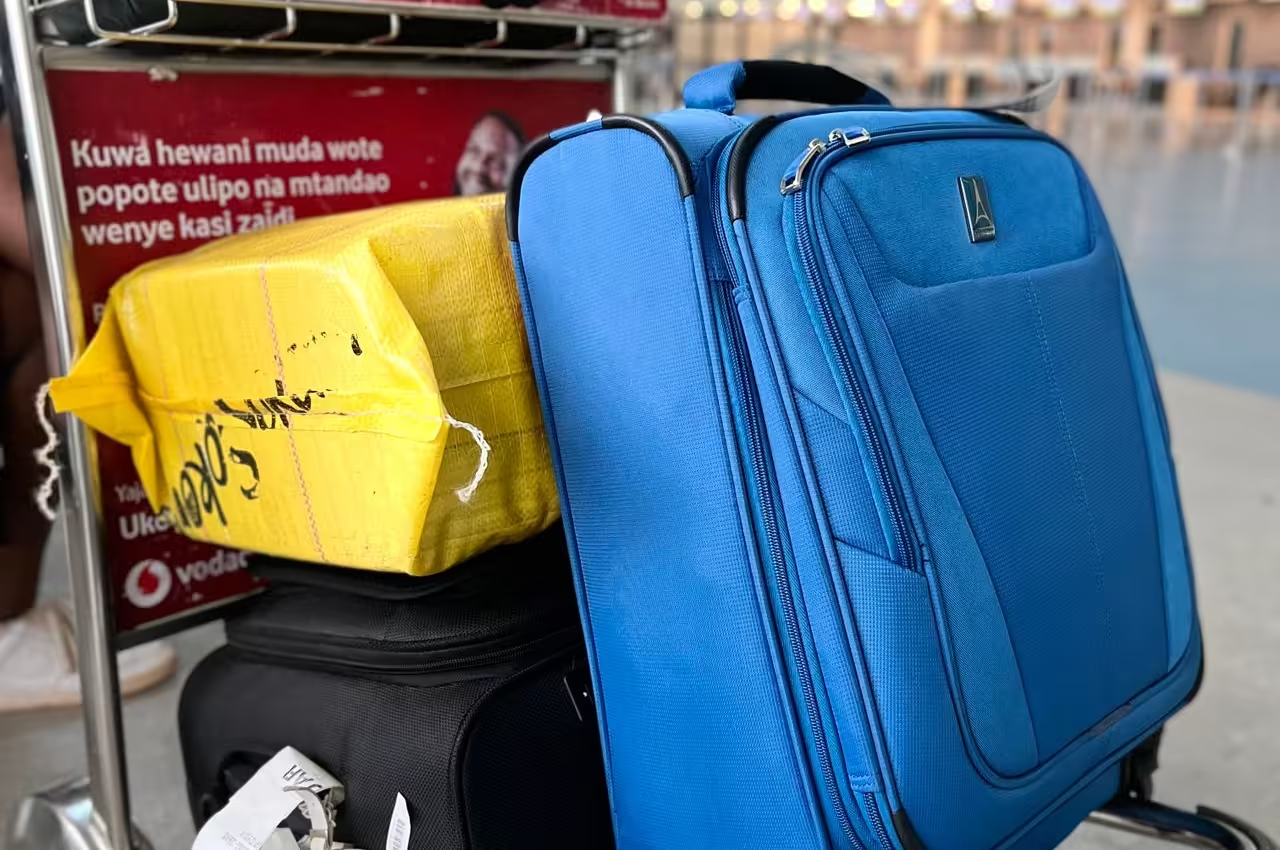
India, July 1 -- The 2026 SITA Baggage IT Insights Report paints a fascinating picture: baggage mishandling has finally dropped below pre-pandemic levels, even as passenger volumes hit record highs.
Passenger & Baggage Trends
- Passenger volumes: 5 billion globally in 2025 (up from 4.8 billion in 2024).
- Mishandling rate: v 23% to 4.9 bags per 1,000 passengers.
- Total mishandled bags: v 19% to 24 million.
- Cost to industry: $6.3 billion in 2025, equal to ~15% of airline profits.
- New benchmark: $260 per mishandled bag (up from the outdated $150 figure).
What Changed
- Shift from logistics to digital services:
- Real-time data sharing
- AI routing
- Biometric bag drop
- Connected passenger devices
- Apple's Find My + SITA WorldTracer(R) -> 90% reduction in permanently lost luggage, 26% faster recovery.
- Google Find Hub integration -> improved location sharing.
- Thai Airways Auto Reflight -> reduced rebooking time from 3 minutes to 1 second per bag.
Operational Insights
- Delayed bags: 70% of total cost (recovery, rerouting, delivery).
- Lost/damaged bags: 70% of cost is compensation.
- Transfers: Still the biggest driver (39% of mishandling cases).
- Long-term trend: Mishandling has fallen by ~75% since 2007.
Future Outlook
- 3 in 4 airlines plan to invest in AI within 2 years.
- Half of airlines plan to give passengers real-time baggage updates.
- IATA Resolution 753 compliance -> now past 50%, aiming for full compliance by 2027.
- Next horizon: home tagging, car drop-off, and bags traveling separately from passengers.
Nicole Hogg (SITA) summed it up:
> "Baggage is shifting from a logistical problem to a digital service. Passengers expect to know where their bag is at every moment."
This report shows how data, AI, and connectivity are transforming baggage handling from a pain point into a trust-building service.
Published by HT Digital Content Services with permission from Travel Media.