
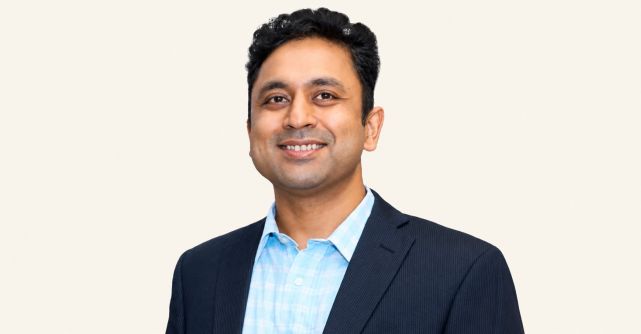
New Delhi, July 29 -- Artificial intelligence's biggest opportunity in healthcare may not lie inside the doctor's consultation room but in the back-end administrative systems that determine how quickly patients receive approvals, settle claims and leave hospitals, according to Medi Assist Healthcare Services' Chief AI Officer Dhruv Rastogi.
While AI discussions have largely centred on diagnostics, drug discovery and clinical decision-making, Rastogi believes healthcare administration offers the most immediate enterprise opportunity because it continues to rely heavily on manual, repetitive and fragmented processes.
"Administrative processes such as claims adjudication, document interpretation, provider validation, fraud detection and member communication remain highly manual despite being repetitive, data-intensive and rules-driven," he said.
The comments come as India's health insurance market expands rapidly, increasing pressure on insurers and third-party administrators (TPAs) to process millions of claims faster while reducing fraud and improving customer experience.
Medi Assist, one of India's largest TPAs, processes millions of healthcare transactions annually and has embedded AI across claims intelligence, fraud detection and workflow automation through platforms such as MAtrix, MAven Guard and Raksha Prime.
According to Rastogi, AI is already improving claims turnaround times, operational consistency and decision support by automating document interpretation, workflow routing and routine claims processing.
"We are not simply trying to process claims faster. The objective is to create a healthcare ecosystem where hospitals, insurers and members experience fewer delays and greater transparency," he said.
India's digital infrastructure provides the foundation
Rastogi said India's digital public infrastructure-including digital identity, payment systems and healthcare initiatives-creates a strong foundation for AI-led healthcare administration. However, fragmented documentation standards, inconsistent digitisation and limited interoperability across stakeholders remain significant challenges.
AI can help bridge these gaps by interpreting documents, automating routine decisions and standardising claims processing, he said, while adding that interoperable data standards, secure information exchange and governance remain essential.
"The future lies not just in digitising claims, but in creating an intelligent claims ecosystem where insurers, hospitals and TPAs collaborate seamlessly through AI-enabled workflows," he said.
From assistants to orchestration
Over the next three to five years, Medi Assist expects AI to evolve from task-specific assistants into intelligent agents capable of orchestrating entire claims workflows-from document collection and policy validation to provider communication and claims routing.
Rastogi describes this shift as "intelligent healthcare orchestration," where AI predicts operational bottlenecks, anticipates documentation gaps and recommends interventions before delays occur.
However, he stressed that healthcare will continue to require human oversight. "I don't envision completely autonomous decision-making. AI agents will automate routine coordination while escalating medical complexity, policy exceptions and ethical decisions to experienced professionals," he said.
Predictive fraud detection
Healthcare fraud is another area undergoing significant transformation. Traditional rule-based systems are struggling to keep pace with increasingly sophisticated fraud patterns.
Medi Assist's MAven Guard analyses claims behaviour across large datasets to detect fraud, waste and abuse, allowing investigators to focus on high-risk cases while AI handles routine screening. Rather than replacing investigators, AI serves as an intelligent decision-support system capable of identifying anomalies at enterprise scale.
Building a unified AI intelligence layer
Rather than developing standalone AI products, Medi Assist is integrating its platforms through a common intelligence layer connecting claims processing, fraud detection, provider interactions and member journeys.
"The next phase is to unify these capabilities through a common intelligence layer that connects claims, provider interactions, fraud signals, operational workflows and member journeys," Rastogi said.
As more operational data flows across these platforms, AI models become increasingly contextual, enabling faster and more coordinated decision-making across the healthcare ecosystem.
Trust remains central
Despite rapid automation, Rastogi said trust, explainability and governance will determine AI's long-term success in healthcare. Claims decisions directly affect patients, hospitals and insurers, making transparency and human oversight essential. AI models must therefore operate within clinical, regulatory and policy frameworks while remaining auditable and explainable.
"Responsible AI is measured not only by operational efficiency but by the confidence it builds among members, providers and insurers alike," he said.
Looking ahead, Rastogi believes the end-to-end health claims journey-from pre-authorisation and claims adjudication to hospital discharge and final settlement-will see the greatest AI-driven transformation over the next three years. AI will increasingly function as an "invisible co-pilot," interpreting documents, predicting claim complexity, identifying risks and orchestrating workflows, while critical medical and policy decisions continue to rest with human experts.
Published by HT Digital Content Services with permission from TechCircle.