
New Delhi, June 17 -- Since acquiring Vasan Eye Care in 2023, ASG Eye Hospital has been expanding investments in AI, analytics, tele-ophthalmology and digital infrastructure to improve patient outcomes and operational efficiency. The combined network operates hundreds of centres across India and is increasingly leveraging technology to extend specialist eye care into underserved markets.
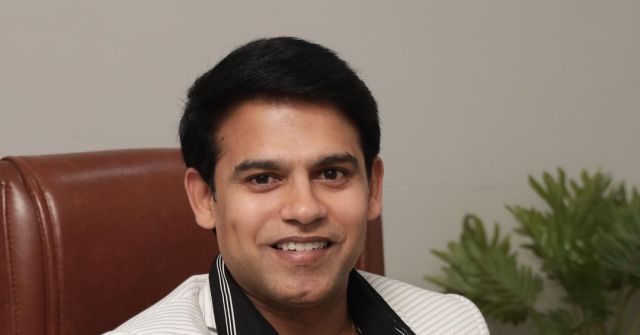
In an interview with TechCircle, Dr Kamal Babu, Chief Operating Officer - South, ASG Eye Hospital & Vasan Eye Care, discusses digital transformation, AI adoption, cybersecurity and the future of eye care. Edited excerpts
How is ASG-Vasan leveraging technology investments to improve clinical outcomes, operational efficiency and profitability? Which initiatives are delivering the strongest returns?
Technology is a frontline clinical tool for us. We have made significant progress with AI-assisted diagnostics, particularly in screening diabetic retinopathy and glaucoma, where early detection helps preserve vision and reduce treatment costs. Operationally, our centralised hospital management system streamlines scheduling, pharmacy operations and surgical workflows, improving throughput and reducing wait times.
The strongest returns are coming from teleconsultation and remote-screening infrastructure. Specialists at hub centres can support high-volume screening across spoke locations, expanding clinical capacity without a proportional increase in costs.
What does the next phase of ASG-Vasan's digital transformation roadmap look like in the near future?
Basic digitisation is now standard. The next phase is about adding intelligence to that foundation. Our focus is on three priorities: building a unified patient data platform, using predictive analytics to improve clinical and operational decision-making, and enhancing the patient-facing digital experience through personalised follow-up care, adherence monitoring and multilingual engagement.
How are you using data and analytics to improve patient experience, operational efficiency and network expansion?
Scale generates valuable data, and we are strengthening our ability to analyse it effectively. We track outcomes such as visual acuity, complication rates and follow-up compliance to improve patient care. Operationally, throughput analysis helps identify bottlenecks and replicate best practices. Data also informs expansion by helping us assess disease burden, demographics, competition and patient travel patterns to identify underserved markets.
Do you expect healthcare technology budgets to accelerate? Where will spending be concentrated?
Absolutely. Healthcare has historically lagged sectors such as banking and telecom in technology spending, but that gap is narrowing rapidly. Investment will likely focus on AI-enabled diagnostics and decision support, data infrastructure and interoperability, and patient-facing digital platforms. Cybersecurity will also become a critical spending priority as healthcare becomes increasingly digital.
What criteria does ASG-Vasan use to determine whether an AI initiative is ready for enterprise-wide deployment?
Many healthcare AI projects fail to scale because of operational rather than technical challenges. We evaluate four factors: clinical validation, workflow integration, interpretability and measurable outcomes. The solution must perform effectively within our patient population, fit naturally into clinical workflows, provide explainable outputs and demonstrate measurable improvements against predefined success metrics.
How are you addressing cybersecurity, patient privacy and data governance across a large hospital network?
There is no room for complacency when it comes to patient data. Our approach operates at three levels. Technically, we invest in encryption, role-based access controls and regular security testing. From a governance perspective, we enforce clear policies governing data access and usage. We also conduct regular employee training, since many security incidents originate from human error. At the same time, we are aligning with India's Digital Personal Data Protection framework.
How is technology helping ASG-Vasan scale across Tier-2 and Tier-3 markets while maintaining quality?
This is central to our mission. The burden of preventable blindness remains disproportionately high in smaller cities and rural areas, where specialist access is often limited. Tele-ophthalmology enables retinal images captured at peripheral centres to be reviewed remotely by specialists. Standardised digital protocols ensure consistency in clinical processes, while real-time dashboards help leaders identify and address quality deviations quickly. Technology enables us to expand access without compromising standards of care.
Which technology trend will have the biggest impact on eye care over the next five years?
AI-driven diagnostics will be the most transformative trend, particularly when combined with population-scale data and mobile imaging technologies. Much of the blindness caused by conditions such as glaucoma and diabetic retinopathy is preventable if detected early, but specialist availability and geographic reach remain constraints. Accurate, explainable AI running on affordable imaging devices can shift screening from hospitals to communities, enabling earlier detection and wider access.
Connected care and automation will further strengthen the ecosystem, but AI-powered diagnostics at the point of care represent the greatest opportunity to reduce avoidable blindness at scale in India.
Published by HT Digital Content Services with permission from TechCircle.