
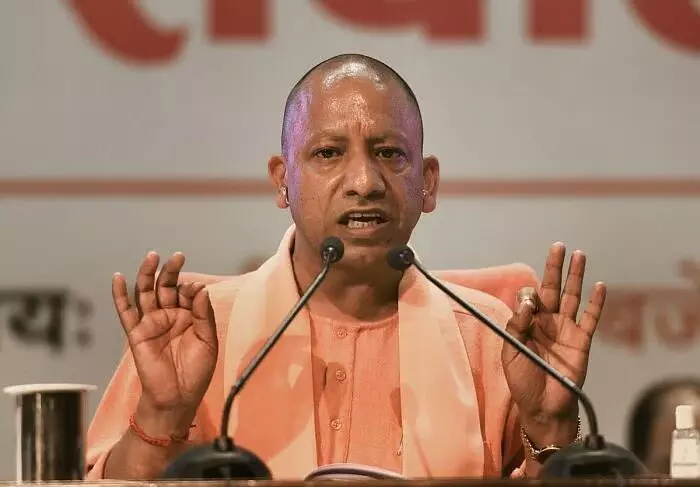
Lucknow, March 22 -- The BJP leadership is preparing for a significant Cabinet reshuffle in Uttar Pradesh, with the government led by Yogi Adityanath likely to undergo a broad reconfiguration aimed at strengthening its electoral position ahead of the 2027 Assembly elections.
Sources indicate that more than a dozen ministers could be dropped, while around 15 new faces, including MLAs and party functionaries, may be inducted. The exercise is aimed at rebalancing caste and regional representation and addressing feedback from the organisation and grassroots workers.
At present, the state has 54 ministers, including Deputy Chief Ministers Keshav Prasad Maurya and Brajesh Pathak. The council includes 21 cabinet ministers, 14 ministers of state with independent charge and 19 ministers of state. With the constitutional cap set at 60, there is room for six more inductions.
The last expansion took place on March 5, 2024, ahead of the general elections, when leaders such as Om Prakash Rajbhar, Anil Kumar, Sunil Sharma and Dara Singh Chauhan were brought into the government.
Recent organisational changes have intensified speculation about an imminent reshuffle. Pankaj Chaudhary assumed charge as the state BJP president in December 2025, while changes at the national level have also prompted fresh consultations on both governance and party structure.
Within the BJP and the Rashtriya Swayamsevak Sangh, there are differing views on the scale of the reshuffle. One section favours a large overhaul, proposing that up to half of the existing ministers be replaced. The plan includes deploying current ministers in the field to focus on electoral mobilisation, while inducting new leaders to inject energy into governance and improve representation.
Another section, however, is wary of sweeping changes so close to an election cycle. It argues for a limited reshuffle, suggesting that ministers should be reassigned portfolios rather than removed, while new entrants fill existing vacancies. Concerns remain that dropping ministers could lead to internal discontent or even defections.
Feedback on ministerial performance has reportedly reached both the state and central leadership through MLAs and organisational channels. Coordination meetings involving senior leaders have highlighted concerns over governance delivery and grassroots dissatisfaction.
Published by HT Digital Content Services with permission from Millennium Post.