
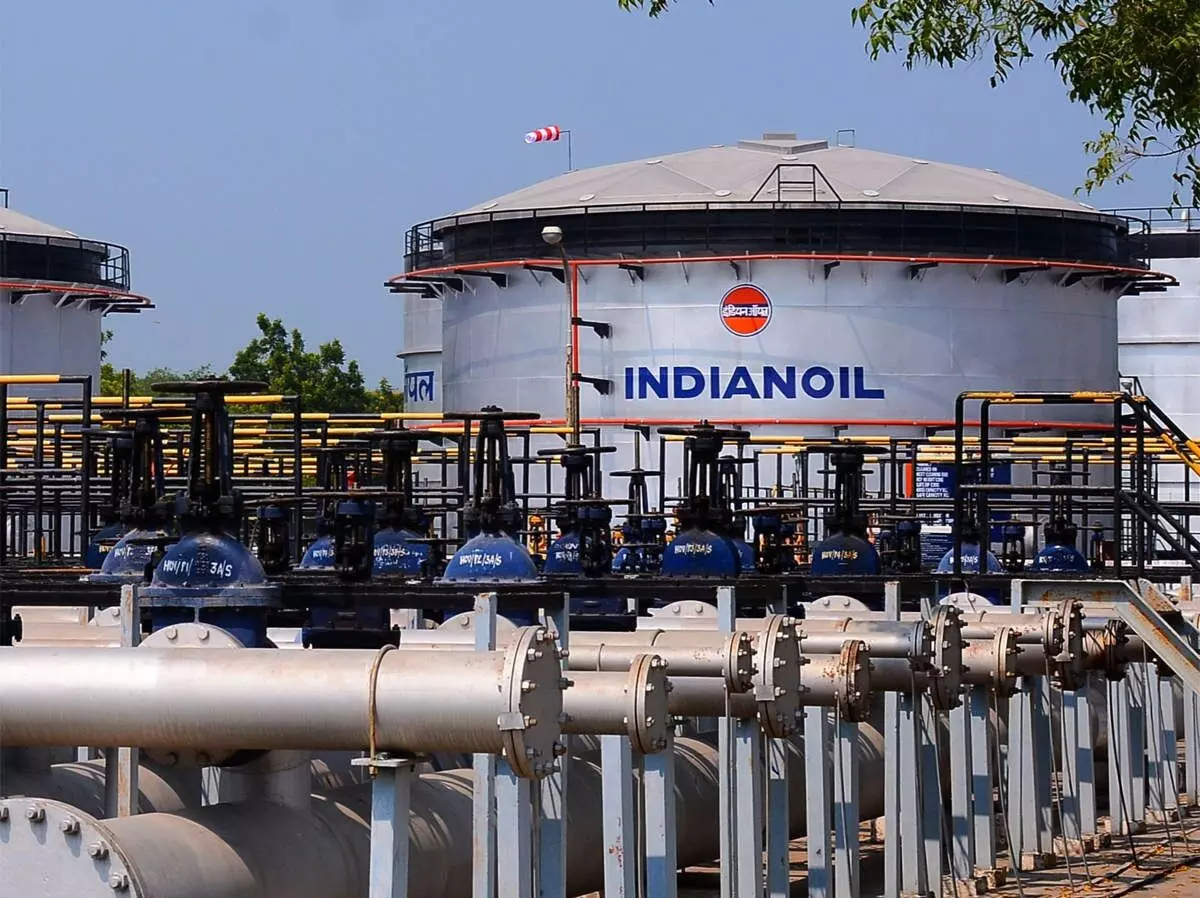
New Delhi, Nov. 2 -- Indian Oil Corporation, Bharat Petroleum Corporation and Hindustan Petroleum Corporation have invited bids to procure 150 million litres of biodiesel for three months beginning in November, setting a base price of Rs 88 per litre as state-run oil companies step up purchases of the renewable fuel.
The three oil marketing companies (OMCs) are seeking supplies of 1,50,000 kilolitres of biodiesel, or B100, for November 2026-January 2027, according to a joint tender issued on October 30. Bids are due by November 7.
The procurement covers biodiesel manufactured from used cooking oil (UCO) and other feedstocks, including non-UCO sources. Supplies will be made to 85 OMC locations across the country.
The move to source biodiesel comes as oil marketing companies seek to expand blending of domestically produced, low-carbon fuels with fossil fuels to curb India's dependence on imported crude oil and reduce its import bill. Having achieved 20 per cent ethanol blending in petrol, India is now looking to accelerate adoption of biodiesel in diesel, adding another domestic biofuel to its efforts to reduce reliance on fossil fuel imports.
Biodiesel is a renewable fuel produced by processing vegetable oils, animal fats, used cooking oil and other feedstocks. It can be blended with conventional diesel, offering oil companies a route to substitute a portion of fossil fuel consumption with renewable alternatives.
The use of used cooking oil as a feedstock also provides an avenue to convert waste into fuel while creating demand for organised collection and processing of discarded cooking oil from restaurants, hotels and food businesses.
The latest tender provides a sizeable, near-term procurement opportunity for domestic biodiesel manufacturers and feedstock suppliers, with the fixed basic price offering greater visibility on the procurement value for the three-month period. At the stipulated rate, the base value of the entire 150-million-litre requirement works out to Rs 1,320 crore, before transportation and GST.
The separate winter-grade specifications, mandatory certification and stringent delivery obligations underline the importance OMCs are placing on fuel quality and uninterrupted supplies. The procurement could also support the development of domestic biodiesel manufacturing capacity and a more organised used-cooking-oil collection ecosystem.
The tender, however, does not specify the eventual blending ratio or the quantity that each oil company will purchase, with actual allocations dependent on qualified bids and subsequent orders.
The companies have fixed the basic procurement price at Rs 88 per litre, excluding GST and transportation charges, according to the tender document.
Biodiesel attracts GST at 5 per cent, while freight will be paid separately according to distance-based slabs.
Of the total requirement, 98,286 kilolitres must meet a maximum Cold Filter Plugging Point (CFPP) of 6 degrees Celsius, and the remaining 51,714 kilolitres can have a maximum CFPP of 12 degrees Celsius. The winter-grade specifications are intended to ensure the fuel remains suitable for use under different climatic conditions during the November-January procurement period.
The tender allows registered suppliers qualified under the OMCs' earlier empanelment process to participate. Individual bidders must offer at least 100 kilolitres and provide mandatory type certification demonstrating compliance with the latest IS 15607 specifications. Suppliers offering biodiesel manufactured from used cooking oil must submit certification issued by CSIR-Indian Institute of Petroleum, Dehradun.
The procurement will be allocated separately for the two CFPP categories. If aggregate offers exceed the requirement in either category, the OMCs will proportionately scale down allocations to match the specified volumes before distributing supplies among the three companies and their respective locations.
The tender also builds in performance obligations for suppliers. Vendors must meet at least 90 per cent of their prorated monthly purchase order or indent quantity, whichever is lower, or 95 per cent of the overall prorated requirement during the procurement period if monthly targets are missed. Failure to meet the prescribed thresholds will attract a price reduction clause of 3 per cent on the basic price for the short-supplied quantity.
Published by HT Digital Content Services with permission from Millennium Post.