
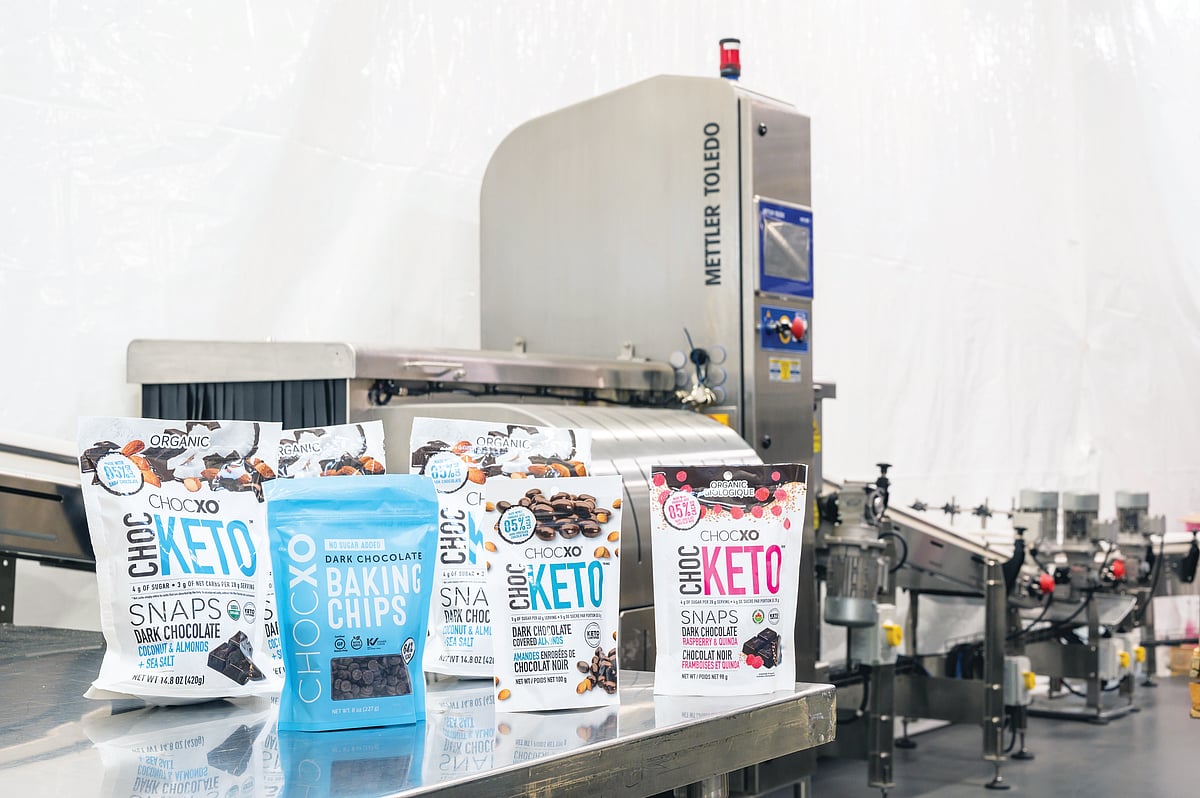
India, July 6 -- When Chewters Chocolates in Canada made the shift to automate its production and packaging line to become more productive and efficient, the company looked to advanced contamination detection technologies. What they discovered was that a move to inline metal detection and x-ray inspection systems didnt just help maintain compliance - it also helped them avoid false rejects, reduce product waste, confirm quality control and supported their rapid scale-up to meet growing market demand.
This story is increasingly familiar. In an environment shaped by rising productivity costs, regulatory expectations and sustainability pressures, contamination detection technologies are becoming much more than a box-ticking exercise. Todays systems can help food manufacturers cut costs, avoid waste and build more resilient operations - while continuing to protect consumer health and brand integrity.
Twin Pressures: Food Safety and Operational Cost
Physical contamination - whether from metal, calcified bone, glass or dense plastics - remains one of the most common causes of food recalls globally. At the same time, manufacturers are being asked to do more with less. Ingredient prices, energy costs, labour shortages and tariffs are squeezing margins, while packaging formats evolve, and retailers demand consistent product quality at speed.
This has forced many manufacturers to re-evaluate their approach to risk and efficiency. Rather than treating contaminant detection systems as purely protective measures, more companies are asking: can this technology help me prevent waste? Avoid overfilling? Detect equipment faults early? Meet retailer codes of conduct more reliably?
Contamination Detection: A Multi-Purpose Investment
Modern contamination detection technologies offer benefits far beyond detecting and rejecting foreign bodies, they help to reduce product giveaway and protect bottom line profits. When connected with other management systems they can help to optimise line performance and support traceability during audits. In short, theyre part of the broader efficiency toolkit - not just a safety net.
At Hornby Organic, a Canadian producer of certified organic energy bars, speed and simplicity were essential for scaling production. With new automated equipment being able to flow-wrap packs at speeds up to 150 packages per minute, visual inspection methods could no longer keep up. As such, the team invested in a Mettler-Toledo x-ray inspection system along with a checkweigher - a move that improved product safety and allowed real-time adjustments on fill weight, boosting yield and reducing false rejects.
By Mike Pipe, Head of Product Inspection, Mettler-Toledo Product Inspection
Published by HT Digital Content Services with permission from FoodTechBiz.