
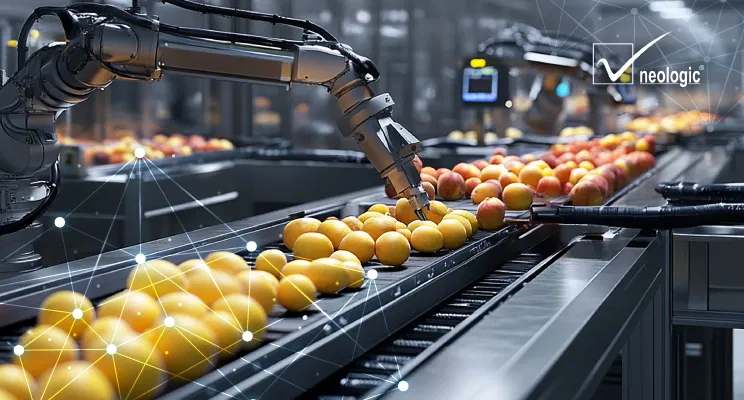
India, April 30 -- Food safety has become a defining priority for the global food industry. Hygienic design was once viewed merely as an engineering preference. But in recent times it has transformed into a fundamental requirement for ensuring safety, maintaining quality, and achieving operational excellence in food processing. This article explores why hygienic design matters, the standards that shape it, and the tangible benefits it yields for food manufacturers.
What is Hygienic Design?
Hygienic design is the engineering approach of manufacturing food processing equipment in a manner that prevents contamination and ensures rapid and effective cleaning. This involves designing every component including tanks, pipelines, seals, joints, and structural elements in a way that minimizes microbial, chemical, and physical hazards.
While implementing, it means reducing or eliminating any dead spaces, gaps, and crevices where there is a chance of residue accumulation. Such equipment design ensures easy and complete access for cleaning and inspection. It is also important for the equipment to be designed in such a way that it prevents from any moisture buildup and condensation, to avoid microbial growth. Effective draining and drying mechanisms are also essential, particularly for equipment that undergoes wet cleaning, ensuring that no stagnant water remains after sanitation.
Why Hygienic Design is Critical for Food Safety?
Every food product that reaches the shelves must be free from any contaminants & be safe for human consumption. Even if raw material is of top quality, the end product can get contaminated due to a poorly designed food processing equipment or packaging equipment. Hygienic design directly addresses this challenge by minimizing contamination risks at the source.
It is observed that microbial contamination often arises due to stagnate residue in crevices, rough welds, or poorly drained surfaces. This creates an ideal condition for bacterial growth. Contamination can also be caused due to material used in food processing line adversely reacting to chemical cleaning agents. This leads to harmful leaching that impacts both food safety and taste.
Hygienic design eliminates such vulnerabilities by ensuring smooth finishes and proper drainage. Food processing equipment manufacturers like Neologic Engineers, select compatible, inert materials with robust construction and high-quality finishes that significantly reduce these risks.
Key Principles of Hygienic Design
By eliminating contamination-prone areas and ensuring cleanability, hygienic design significantly enhances food safety and regulatory compliance. Industry standards consistently emphasize several core design principles:
Material Compatibility: Food-contact surfaces should be non-toxic, corrosion-resistant, and non-absorbent. Stainless steel 304 and 316 are industry benchmarks due to their durability and resistance to both food acids and cleaning agents.
Accessibility for Cleaning & Maintenance: Easily detachable components, simple assemblies, and clear access points reduce downtime and ensure thorough sanitation. Self-draining sloped surfaces prevent standing water.
Smooth, Crevice-Free Surfaces: A surface roughness below 0.8 m prevents microorganisms from adhering. Welds must be polished and flush with adjoining surfaces.
Hygienic Seals and Joints: Proper seals prevent ingress of contaminants and ensure no food particles accumulate in hidden spaces.
Validated Cleaning Protocols: Equipment must support repeatable and validated cleaning procedures that ensure consistent hygiene between production runs.
Global Standards and Guidelines Governing Hygienic Design
Hygienic design is deeply embedded in global food safety regulations and certification systems. Leading organizations play a central role:
FSSAI (Food Safety and Standards Authority of India)
EHEDG (European Hygienic Engineering & Design Group)
3-A Sanitary Standards (3-A SSI)
GFSI (Global Food Safety Initiative)
These standards ensure that food manufacturers consistently meet or exceed food safety expectations. Food processing equipment manufacturers ensure that the equipment is engineered in such a manner that it adheres to all the national and global food safety standards.
Key Benefits and Operational Efficiency of Hygienically Designed Equipment
Cleaning and sanitation are among the most resource-intensive activities in food processing. Hygienically engineered plants play a crucial role in optimizing these processes by enabling faster and more effective cleaning cycles. Such cycles significantly reduce cleaning times, water & chemical consumption, resulting in extended equipment lifespan.
There are several other benefits like reduction in contamination risk, clean & smooth surfaces that prevent residue buildup, minimized downtime, & fewer product recalls. A hygienically designed food equipment delivers measurable return on investment through lower operational and sanitation costs over time.
With the lenses of a food processing plant, there is an improved accessibility and safer cleaning processes that reduce the risk of injuries. Product quality also benefits significantly, as consistent hygiene helps preserve taste, texture, and freshness while reducing defects such as spoilage, discoloration, and off-flavors.
Conclusion
Hygienic design stands at the intersection of food safety, quality assurance, regulatory compliance, and operational efficiency. And with rising consumer expectations, stricter regulatory frameworks, and the constant threat of contamination, manufacturers can no longer afford equipment that is difficult to clean, prone to harboring microorganisms, or incompatible with modern sanitation methods.
Hence, investing in hygienically engineered equipment is not merely a compliance requirement but a strategic choice that ensures safety, enhances quality, and secures the future of food manufacturing.
Contact Neologic Engineers
Mail: sales@nepli.net
Phone: +91-8149022514 | +91-8087022514
Published by HT Digital Content Services with permission from FoodTechBiz.