
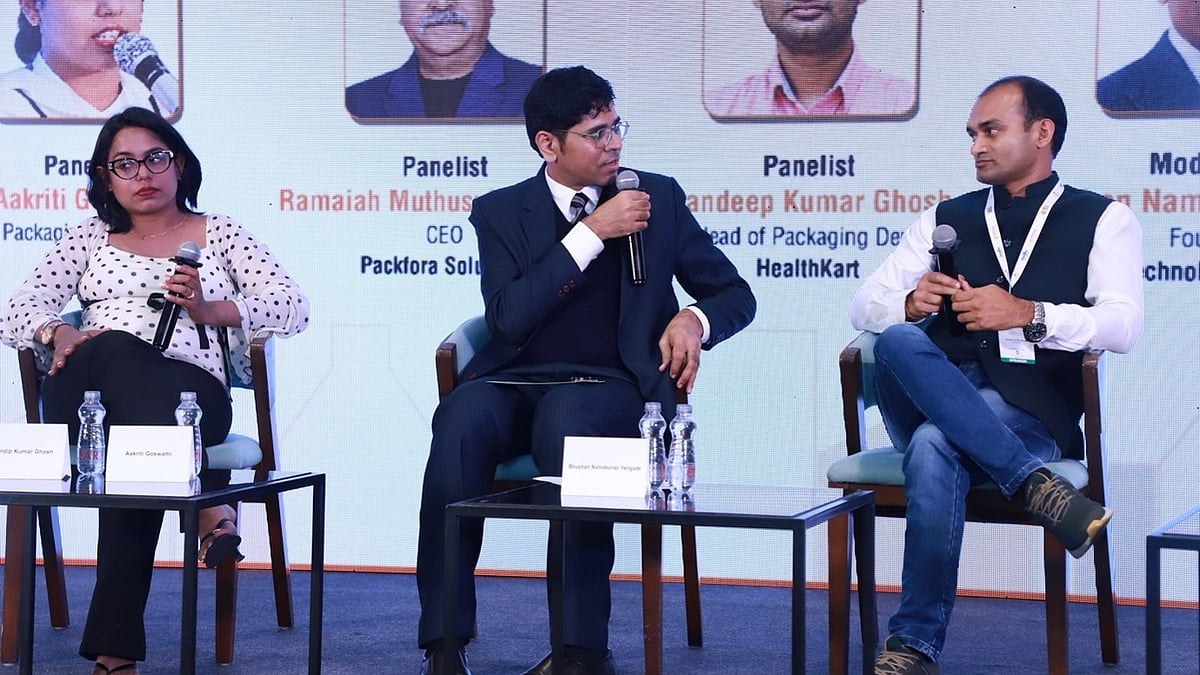
India, Oct. 16 -- The modern e-commerce landscape is defined by the rapid movement of delivery couriers navigating dense city traffic to fulfill digital transactions. At the recent PSAC 2026, Mumbai food packaging experts gathered to analyze the scientific and environmental implications of this rapid delivery economy. The foundational tone of the panel discussion was established by Bhushan Namdeorao Yengade, a prominent Food Technologist, Founder Binder Technology Consultancy and Vice President Council for Promotion, Research & Trade in Traditional Foods. His food packaging research into consumer patterns suggests that public awareness of environmental issues is forcing a major redesign of consumer packaging.
According to data compiled by Yengades Binder Technology Consultancy, young urban consumers in major cities are using their purchasing power to demand greater corporate accountability. By carefully reading product labels and choosing eco-friendly options, this group is driving a shift toward ethical consumerism. This trend is particularly visible in the rising demand for organic products, which has grown from a niche market into a widespread consumer expectation. This shift shows a growing public understanding of ecological health and clean supply chains.
This issue of consumer trust is particularly important in the growing health and wellness sector. Sandeep Kumar Ghosh, Head of Packaging Development, HealthKart shared insights into how packaging serves as a critical point of contact for building consumer confidence during home delivery. As more people order dietary supplements online, the physical condition of the package upon arrival becomes a key factor in how they judge product quality. He commented how brands maintain the safety and purity of their products.
The social dynamics of digital commerce have fundamentally altered how people interact with everyday commodities. Yengade explained that the standard retail experience has been inverted because consumers can no longer touch or inspect a product before buying it. The entire relationship between the public and a brand now relies on the moment of unboxing. If a package is over-engineered with excess plastic, it triggers environmental criticism; conversely, if it is too weak, it fails to protect the contents, undermining public trust in the digital marketplace.
At the same time, the rise of instant delivery platforms has introduced new challenges for waste management and logistics infrastructure. Aakriti Goswami, Packaging Manager, Zomato addressed the technical challenges of preventing food spillage within quick-commerce networks, where speed often conflicts with material durability. The growing demand for integrated QR tracking solutions highlights a broader societal push for transparency, allowing consumers to verify the origin and journey of their food. Managing these technological upgrades while reducing environmental impact remains a defining challenge for modern digital retail.
Published by HT Digital Content Services with permission from FoodTechBiz.