
Mumbai, June 30 -- A two-day Union Territory (UT) level capacity building workshop on solid waste management and planning under the Swachh Bharat Mission-Grameen (SBM-G) commenced at J&K IMPARD in Srinagar, bringing together senior officials and field functionaries from across Jammu and Kashmir. The programme was convened to strengthen institutional mechanisms and to promote coordinated planning of waste management at local and block levels. Organisers described the gathering as an attempt to align technical knowledge, regulatory awareness and implementation capacity to improve rural sanitation outcomes.
The workshop aimed to enhance the knowledge and practical skills of field functionaries and stakeholders responsible for implementing solid waste management initiatives under SBM-G. Participants deliberated on strategic planning frameworks, scientific processing methods and the practical application of the latest waste management regulations to local circumstances. Sessions were structured to bridge policy with field practice and to equip officials with tools for effective planning and monitoring.
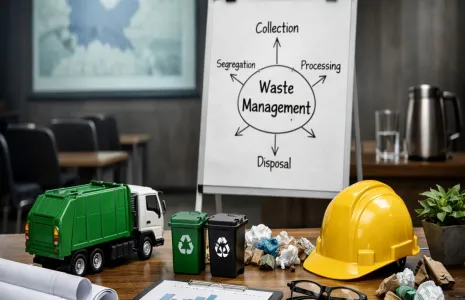
A series of technical sessions, expert presentations, case studies and interactive discussions were scheduled during the two-day programme to deepen understanding of waste segregation, collection, processing, resource recovery and safe disposal mechanisms. Subject experts emphasised a holistic, community-driven approach to achieve cleaner, healthier and environmentally sustainable rural areas, and they urged integration of local self-help groups and panchayat institutions in implementation. The workshop was presented as an opportunity to share innovative solutions and replicable models for rural sanitation and environmental protection.
The event saw participation from the Director General of Rural Sanitation, Jammu and Kashmir, Deputy Directors of Rural Sanitation for Jammu and Kashmir, Assistant Commissioners Panchayat from various districts, Block Development Officers, domain experts and consultants of the PMU at the Directorate of Rural Sanitation, along with other officials engaged in rural sanitation programmes. Organisers indicated that strengthened capacities would support improved waste segregation, enhance resource recovery and ensure safer disposal practices across villages in the Union Territory. Follow-up activities were said to include continued technical support and knowledge exchange to advance the vision of clean and green villages.
Published by HT Digital Content Services with permission from Construction World.