
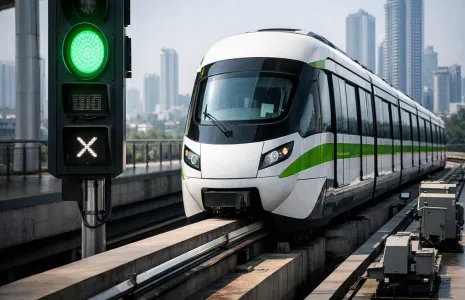
Mumbai, July 7 -- Mumbai's Monorail will resume passenger services after a modernisation that includes an upgraded Communication-Based Train Control signalling system and a new fleet of Made in India trains. The Commissioner of Metro Rail Safety granted final statutory clearance and the Mumbai Metropolitan Region Development Authority obtained state approvals to restart operations. The move is intended to improve reliability and Metro connectivity.
MMRDA indicates operational losses are likely to continue because the corridor's permitted passenger capacity remains constrained. Annual losses are estimated to fall from nearly Rs 1.8 billion (bn) to around Rs 1.2 bn after modernisation, reflecting energy savings and improved systems but not restoring profitability. The authority cites regenerative braking and other efficiencies for the reduced costs.
The upgrade includes the induction of 10 new monorail rakes and retrofitting of the existing fleet with CBTC technology to enable continuous communication, reduced headway and improved scheduling. The signalling changes are expected to increase service frequency and enhance operational safety ahead of the restart.
The monorail's single elevated guideway limits passenger numbers and staff will manage station entry to prevent overcrowding, so commuters may need to wait for later services when capacity is reached. The measure follows earlier disruptions from sudden demand surges and standard operating procedures have been revised to support crowd management.
The 19.54 km corridor between Sant Ghadge Maharaj Chowk in Mahalaxmi and Chembur was built at a cost of about Rs 24.6 bn and comprises 17 stations. MMRDA is constructing a foot overbridge with travelators to link V.N. Purav Chowk Monorail station with the upcoming Metro Line 2B Chembur station, about 50 metres away. The authority has appointed Power Mech Projects to operate and maintain the network for five years and expects the upgrades and Metro integration to improve commuter convenience, while acknowledging the system is unlikely to become financially self sustaining.
Published by HT Digital Content Services with permission from Construction World.