
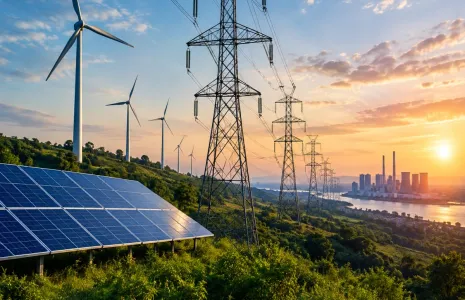
Mumbai, Nov. 16 -- India has approved a Rs. 688 bn high-capacity power transmission corridor to transport renewable electricity from generation hubs in the west to industrial and urban demand centres in the east. The project is estimated to cost about USD 7.34 bn and is expected to be completed over six years.
The national transmission panel approved the project, according to meeting minutes released on Tuesday. The proposed network will operate at 1,150 kV, making it the highest voltage level planned for India's power transmission system. It is expected to carry substantially more electricity than existing 765 kV lines.
The first phase will connect Chhattisgarh, Odisha and West Bengal through a 6,000 MW high-voltage transmission system. The network will carry renewable power from Rajasthan's Bhadla solar region, one of the country's major renewable generation hubs, towards eastern markets.
The higher-voltage system is intended to reduce the number of transmission corridors required to move electricity across long distances. It is also expected to lower land requirements and reduce power losses compared with existing transmission infrastructure. The project will support the integration of additional renewable generation into the national grid.
India is expanding renewable energy and battery storage capacity as it works towards its target of 500 GW of non-fossil power generation by 2030. The country currently has more than 300 GW of non-fossil generation capacity. The new corridor is intended to connect western renewable hubs, including Rajasthan, with rising electricity demand in eastern industrial centres such as Odisha, strengthening the grid's ability to transfer clean power between regions.
Published by HT Digital Content Services with permission from Construction World.