
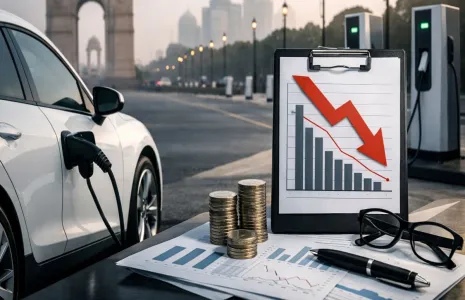
Mumbai, July 7 -- Morgan Stanley has said Delhi's Electric Vehicle Policy 2026 could speed the transition to clean mobility but warned that a larger challenge for the automobile sector may arise if other states adopt similar measures. The brokerage noted the immediate financial impact on vehicle manufacturers would remain limited because Delhi contributes a small share of domestic sales and consumers can buy in neighbouring states. It flagged policy replication as the principal risk to the industry.
It said resistance is likely from manufacturers and dealers, especially in the motorcycle segment where viable electric alternatives remain limited, and cited Chandigarh deferring a proposed ban on internal combustion engine two-wheelers to 2027 after industry concerns. The analysis noted that manufacturers with established electric portfolios such as Hero MotoCorp, Bajaj Auto and TVS Motor are better placed to offset disruption. For Eicher Motors the success of its newly launched electric motorcycle assumes greater significance under the evolving regulatory landscape.
The policy sets out a roadmap to phase out internal combustion engine vehicles in selected segments while incentivising electric uptake and mandates timelines. Fresh registrations of electric-only three-wheelers and sub-three-point-five-tonne (t) commercial vehicles will be allowed from January one, 2027, and new two-wheeler registrations will shift to electric from April one, 2028. The government has mandated that 30 per cent of school bus fleets be electric by March 2030.
The policy is backed by Rs 70 bn in direct incentives and Rs 80 bn in indirect incentives and infrastructure investments, and plans call for installation of around 32,000 charging points across the national capital. The brokerage argued that faster scrappage of ageing vehicles across segments would be the most effective way to curb transport emissions and emphasised the need to localise battery cell manufacturing to strengthen energy security. It concluded that while air pollution remains a legitimate concern, the national impact will hinge on whether other states follow Delhi's template.
Published by HT Digital Content Services with permission from Construction World.